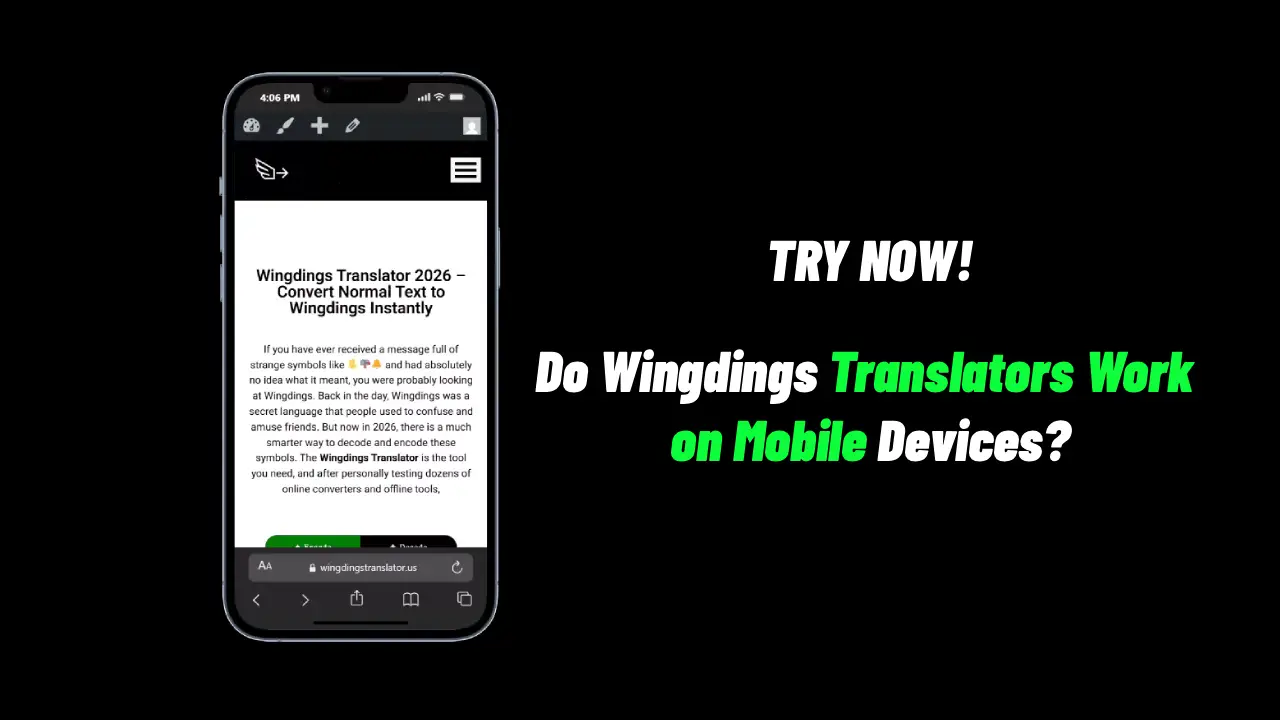
Wingdings has managed to survive far longer than most people expected. What started as a quirky Microsoft symbol font somehow turned into a lasting internet curiosity. People still use it for decorative text, social media bios, retro graphics, hidden-looking messages, and random creative projects that honestly make the internet feel more fun sometimes. Lets uncover Do Wingdings Translator Work on Mobile Devices?
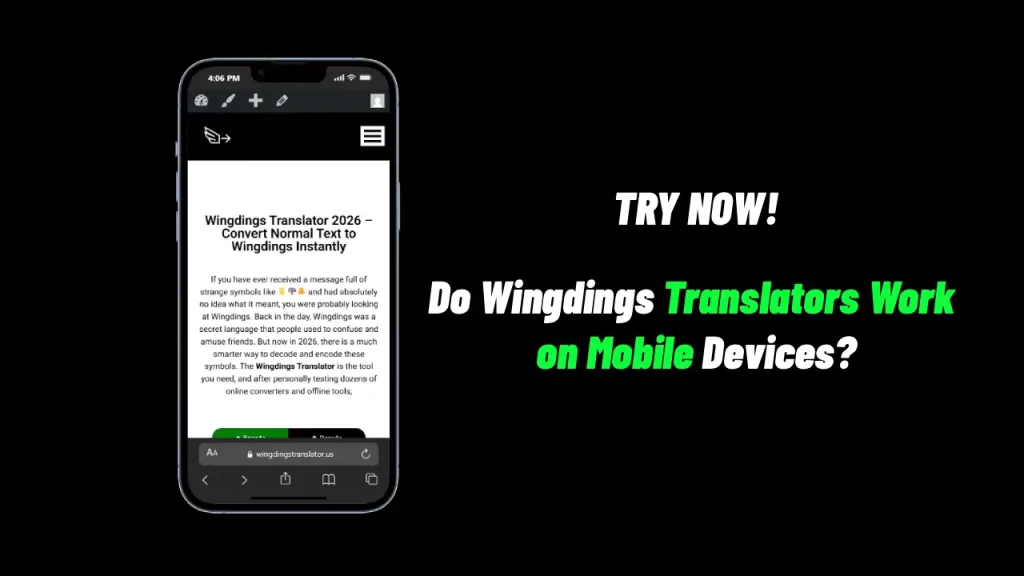
One thing users ask pretty often now is whether Wingdings translator work on mobile devices the same way they do on desktop computers. That’s a fair question because mobile phones handle fonts differently than older Windows systems did. Some symbols display correctly. Others turn into blank squares, weird replacements, or broken formatting.
A lot of users first discover these tools through a wingdings translator website while browsing on their phones. Then they start testing random phrases just to see what symbols appear. Somewhere along the way, they also end up on creative websites offering retro font tools, printable activities, and places where you can get 20+ dinosaur coloring pages along with symbol generators and puzzle sheets. The internet has always been oddly good at combining unrelated hobbies.
The short answer is yes — Wingdings translators usually work on mobile devices. But there are some important details that explain why the experience isn’t always identical across phones, tablets, and apps.
Table of Contents
What Is a Wingdings Translator and Do Wingdings Translator Work on Mobile Devices?
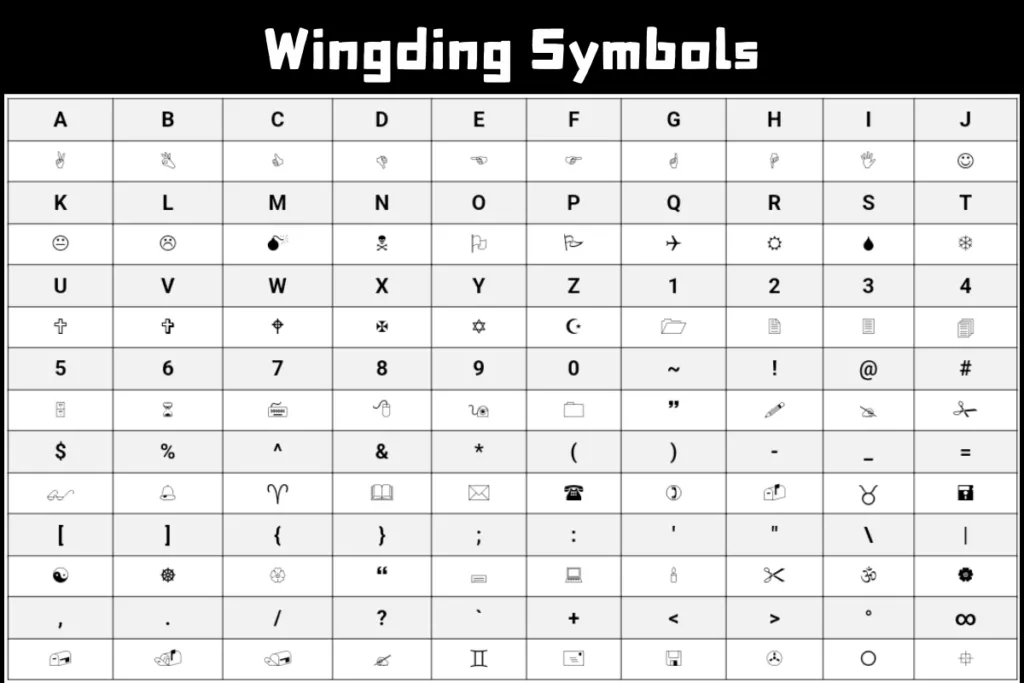
A Wingdings translator is a tool that converts regular text into symbol-based characters using Wingdings font mapping.
Instead of displaying normal letters, the translator replaces them with:
- arrows
- hand symbols
- stars
- smiley faces
- icons
- decorative characters
The process is based on:
- character substitution
- font rendering
- glyph mapping
- symbol encoding
Most modern translators work directly inside web browsers without requiring downloads.
That’s one reason Wingdings translator work on mobile devices more easily now than they would have years ago.
Why Mobile Compatibility Matters
Older symbol fonts were originally designed for desktop systems, especially Microsoft Windows.
Back then:
- desktop fonts behaved more consistently
- Windows included Wingdings by default
- document software handled font rendering directly
Mobile operating systems changed that environment.
Now users access content through:
- smartphones
- tablets
- apps
- browsers
- social media platforms
Each system handles fonts differently.
That’s why mobile compatibility became a major issue for Wingdings-style symbols.
Do Wingdings Translators Actually Work on Phones?
Yes, most modern ones do.
If you open a browser-based Wingdings converter on:
- Android
- iPhone
- tablets
the tool itself usually works normally.
You can:
- type text
- generate symbols
- copy results
- paste symbols elsewhere
The real challenge isn’t the translator itself.
It’s whether the symbols display correctly across apps and devices afterward.
That’s the important distinction when discussing whether Wingdings translator work on mobile devices consistently.
Why Some Wingdings Symbols Don’t Display Properly
Classic Wingdings depends heavily on font support.
If a device doesn’t support the font properly, symbols may:
- appear broken
- show blank boxes
- display replacement characters
- render incorrectly
This happens because:
- Wingdings isn’t a universal Unicode standard
- some mobile systems don’t include the font
- apps handle rendering differently
That’s why modern text-to-symbol generators often use Unicode alternatives instead of relying purely on classic Wingdings fonts.
Android Wingdings Support
Android devices generally handle many symbols reasonably well, especially when:
- Unicode replacements are used
- browser rendering works correctly
- updated apps support symbol characters
Still, compatibility varies between:
- manufacturers
- Android versions
- apps
- keyboards
Some users notice:
- symbols displaying differently
- spacing issues
- inconsistent formatting
Honestly, Android fragmentation affects all kinds of fonts and symbols, not just Wingdings.
iPhone Wingdings Compatibility
iPhones typically display Unicode symbols more consistently than classic Wingdings glyphs.
That’s because Apple relies heavily on:
- Unicode rendering
- system-standard symbols
- emoji compatibility
Classic Wingdings fonts themselves may not always appear exactly as intended.
Still, many online translators convert symbols into mobile-friendly alternatives automatically.
That’s one reason Wingdings translator work on mobile devices better now than during earlier smartphone years.
Why Unicode Matters on Mobile
Unicode changed almost everything about symbol compatibility.
Older Wingdings systems relied on:
- Microsoft font encoding
- local font installation
- desktop rendering
Unicode introduced:
- cross-platform compatibility
- standardized symbol mapping
- universal character support
Many modern “Wingdings-style” generators now:
- imitate Wingdings aesthetics
- use Unicode replacements
- improve mobile rendering
This hybrid approach helps symbols display more reliably across:
- phones
- tablets
- social apps
- browsers
Browser-Based Wingdings Translators
Most users now access Wingdings tools directly through mobile browsers.
These tools usually work well because:
- no installation is needed
- rendering happens online
- modern browsers support symbol conversion
- mobile optimization improved significantly
A clean browser-based converter is often safer and more reliable than downloading random symbol apps.
Personally, I’d rather use a simple web tool than install some strange “ultimate symbol converter app” from an unknown source.
Can You Copy and Paste Wingdings Symbols on Mobile?
Usually yes.
Most mobile users:
- generate symbols
- copy the text
- paste it into apps
This works fairly well for:
- Instagram bios
- TikTok captions
- messaging apps
- notes
- documents
Still, pasted symbols sometimes change depending on:
- font support
- app rendering
- operating system differences
That inconsistency is one of the biggest limitations of mobile symbol fonts.
Social Media Apps and Wingdings Symbols
Many people use Wingdings-style symbols for:
- aesthetic bios
- decorative captions
- usernames
- visual dividers
Platforms like:
- TikTok
- X/Twitter
usually support at least some symbol characters.
But classic Wingdings rendering itself may vary.
That’s why many generators intentionally convert symbols into Unicode-friendly formats instead.
Why Some Apps Break Wingdings Formatting
Certain apps simplify or replace unsupported fonts automatically.
This can cause:
- missing symbols
- changed characters
- weird spacing
- broken formatting
Messaging apps especially may:
- compress symbols
- substitute fonts
- remove unsupported glyphs
The more decorative the symbol set becomes, the more likely formatting problems appear.
Mobile Wingdings Converter Apps
There are actual apps designed for:
- text-to-symbol conversion
- decorative fonts
- aesthetic text generation
Some are harmless.
Others are overloaded with ads.
When trying mobile Wingdings tools, avoid apps that:
- demand strange permissions
- request account access
- push aggressive downloads
- flood users with pop-ups
A lightweight online converter is usually enough.
Safety Tips for Mobile Wingdings Tools
Most translators themselves are harmless, but basic caution still helps.
Use Trusted Websites
Simple, clean tools are generally safer.
Avoid Random APK Downloads
Unknown app files create unnecessary risk.
Don’t Grant Weird Permissions
A text converter shouldn’t need:
- contacts
- camera access
- microphone permissions
Keep Browsers Updated
Modern browsers improve font compatibility and security.
Watch for Fake Download Buttons
Some low-quality sites use misleading ads.
This matters because people asking whether Wingdings translator work on mobile devices often end up trying random websites quickly without checking quality first.
Why Mobile Devices Handle Fonts Differently
Phones prioritize:
- performance
- battery life
- app consistency
- standardized rendering
Older desktop systems allowed more flexible local font behavior.
Mobile operating systems streamlined many font systems for efficiency.
That’s why:
- custom font support became more limited
- Unicode became more important
- compatibility rules changed
Wingdings survived mostly through symbol conversion tools rather than native mobile font installation.
Tablets and Wingdings Support
Tablets usually behave similarly to smartphones.
Most browser-based translators work fine on:
- iPads
- Android tablets
- touchscreen devices
Larger screens often improve:
- symbol visibility
- formatting accuracy
- document editing
Some users actually prefer using symbol generators on tablets because the layout feels less cramped than phones.
Pros of Using Wingdings Translators on Mobile
Easy Access
No desktop computer required.
Fast Symbol Generation
Most tools work instantly.
Good for Social Media
Decorative bios and captions remain popular.
No Downloads Needed
Browser-based tools reduce complexity.
Portable Creativity
You can experiment anywhere.
Cons and Limitations
Font Compatibility Issues
Not all symbols display correctly everywhere.
App Rendering Differences
Some platforms change formatting.
Limited Native Font Support
Phones rarely include classic Wingdings fonts directly.
Copy-Paste Problems
Spacing and symbols can shift between apps.
Small Screen Challenges
Complex symbol strings become harder to read.
Still, for casual use, most people find the tools entertaining enough despite occasional glitches.
Why People Still Use Wingdings on Phones
Part of it comes down to aesthetics.
People enjoy:
- decorative text
- retro internet styles
- strange symbols
- playful formatting
There’s also nostalgia involved.
Older users remember experimenting with Wingdings on Windows computers years ago. Now they test the same symbols on mobile devices out of curiosity or for social media creativity.
And honestly, watching normal text transform into random icons is still oddly satisfying.
Why Wingdings Fonts Still Get Attention
Many users searching for <a href=”#”>wingdings fonts</a> aren’t looking for professional typography tools.
Most simply want:
- fun symbols
- aesthetic text
- nostalgic computer vibes
- decorative graphics
- quirky formatting
Creative websites often combine these resources with printable games, retro activities, and places where users can also grab 20+ dinosaur coloring pages. It’s a strange combination, but somehow it fits the internet perfectly.
The Future of Wingdings on Mobile
Classic Wingdings itself may continue fading slowly as Unicode systems dominate modern devices.
But symbol-based communication isn’t going anywhere.
People still love:
- emojis
- icons
- decorative typography
- visual text styling
Wingdings helped popularize that style long before modern emoji keyboards existed.
In a weird way, today’s aesthetic symbol trends still carry traces of those early dingbat fonts.
Final Thoughts
So, do Wingdings translator work on mobile devices?
Yes, for the most part they do. Modern browser-based converters function well on phones and tablets, especially when they use Unicode-friendly symbol systems instead of relying purely on classic desktop font rendering.
The biggest challenge isn’t generating the symbols. It’s making sure they display consistently across:
- apps
- devices
- operating systems
- browsers
That’s why some symbols look perfect on one phone and slightly broken on another.
Still, people continue using Wingdings-style text because it feels playful, nostalgic, and visually different from ordinary typing. Whether someone is decorating an Instagram bio, experimenting with retro typography, or browsing a creative site offering symbol tools alongside 20+ dinosaur coloring pages, the appeal comes from simple curiosity and visual creativity.
And honestly, that weird little mix of old-school internet culture and modern mobile experimentation is probably why Wingdings still survives today.